Japan and Germany bring 18 chip companies together: where materials, sensors and inspection fit
Global developments | Eighteen Japanese and German companies met in Tokyo, with partnerships spanning materials, inspection equipment, sensors and research.
Editorial desk Alex
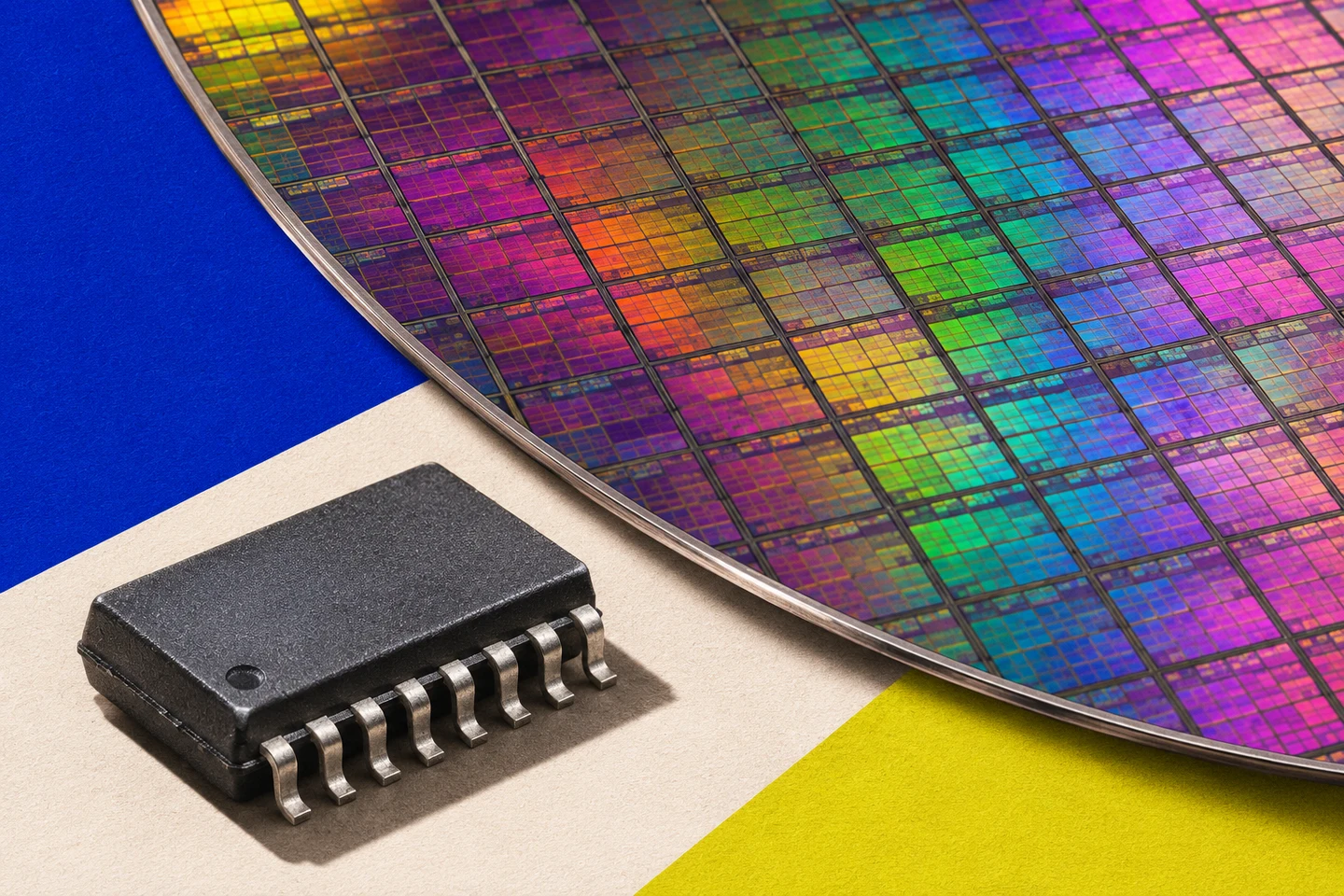
Eight Japanese and ten German companies met in Tokyo on 10 November 2026 to discuss semiconductor cooperation. Materials procurement, equipment development, research and supply relationships were all on the table. Cross-border business in this industry reaches beyond leading-edge chips: a dependable material, a specialist process or a solution to an inspection problem can also give companies a reason to work together.
The event followed an October declaration of intent on cooperation between the two countries’ semiconductor ecosystems. Government bodies provided a place to connect, while companies brought their technologies and needs. The starting points vary. A supplier needs the right procurement contact; an equipment company may need a development partner; a research team looks for complementary expertise. Those differences shape what happens after the first introduction.
AI that interacts with the physical world is widening the discussion. Japanese officials highlighted potential demand for analog semiconductors, sensors and microcontrollers as physical AI develops. For component, materials and processing businesses, an identifiable application makes the opportunity more concrete. Explaining where a product fits and which technical information can be shared gives a prospective partner more to work with than a broad claim about serving the AI industry.
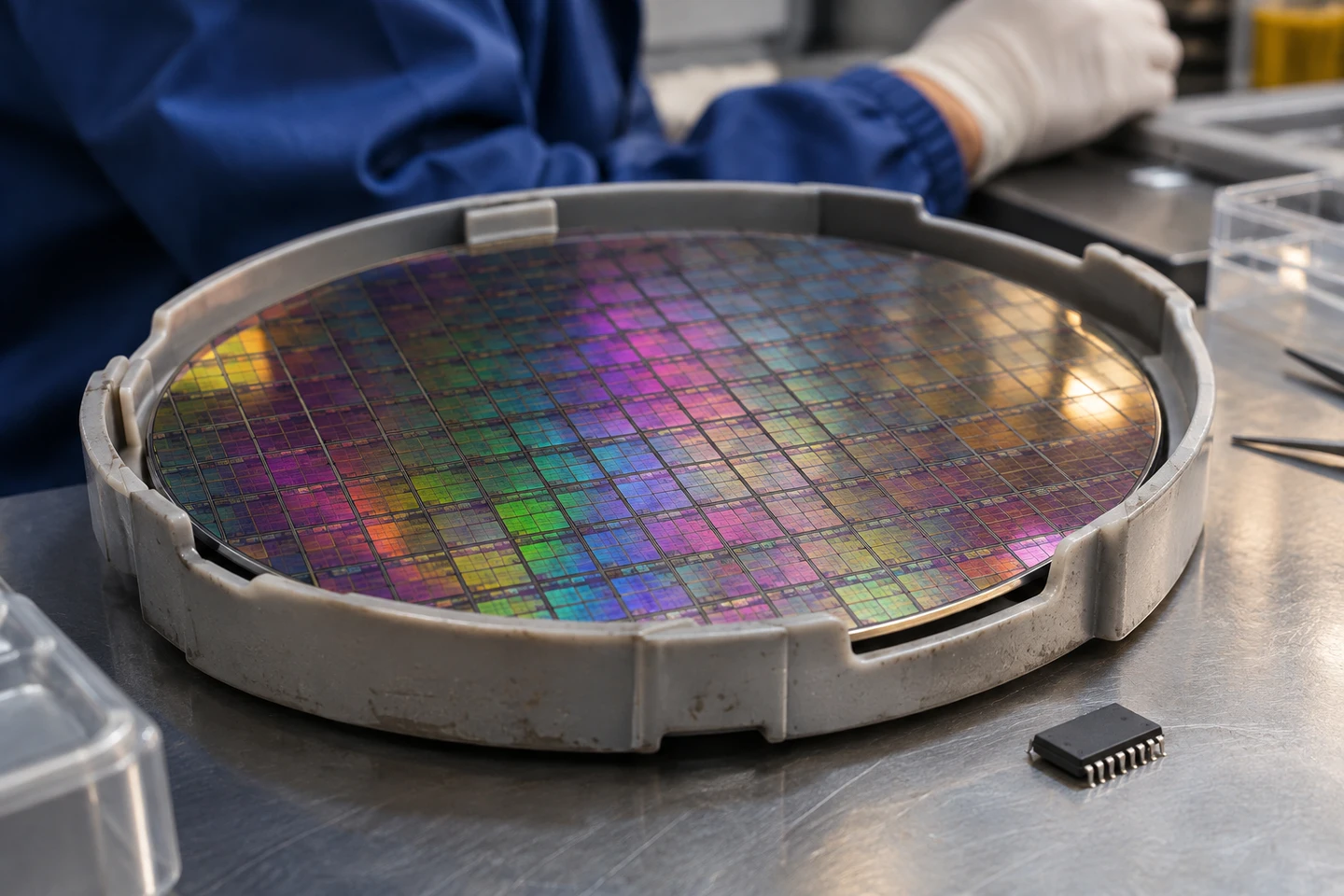
ZEISS has taken several routes with Japanese companies: long-standing materials procurement from AGC and joint development of next-generation semiconductor inspection equipment with Hitachi High-Tech. Renesas has also built connections through its German operations and local universities. Supply, equipment development and academic cooperation occupy different places in the ecosystem, bringing different working rhythms and kinds of partners.

A smaller supplier’s overseas proposal can therefore begin with one clear problem: what it can provide now, where the product is used and what it hopes to accomplish with a partner. Component applications, material properties and dependable supply deserve concrete supporting information. When the conversation includes joint development as well as sales, there is another way into an overseas industry network—and a more focused starting point for the first email.
Sources
Some images in this article are generated illustrations.