Why Japanese companies are looking to Türkiye for partnerships in third-country markets
Global developments | Japanese technology and Turkish regional networks are being brought together for third-country opportunities, from seismic equipment to education.
Editorial desk Mia
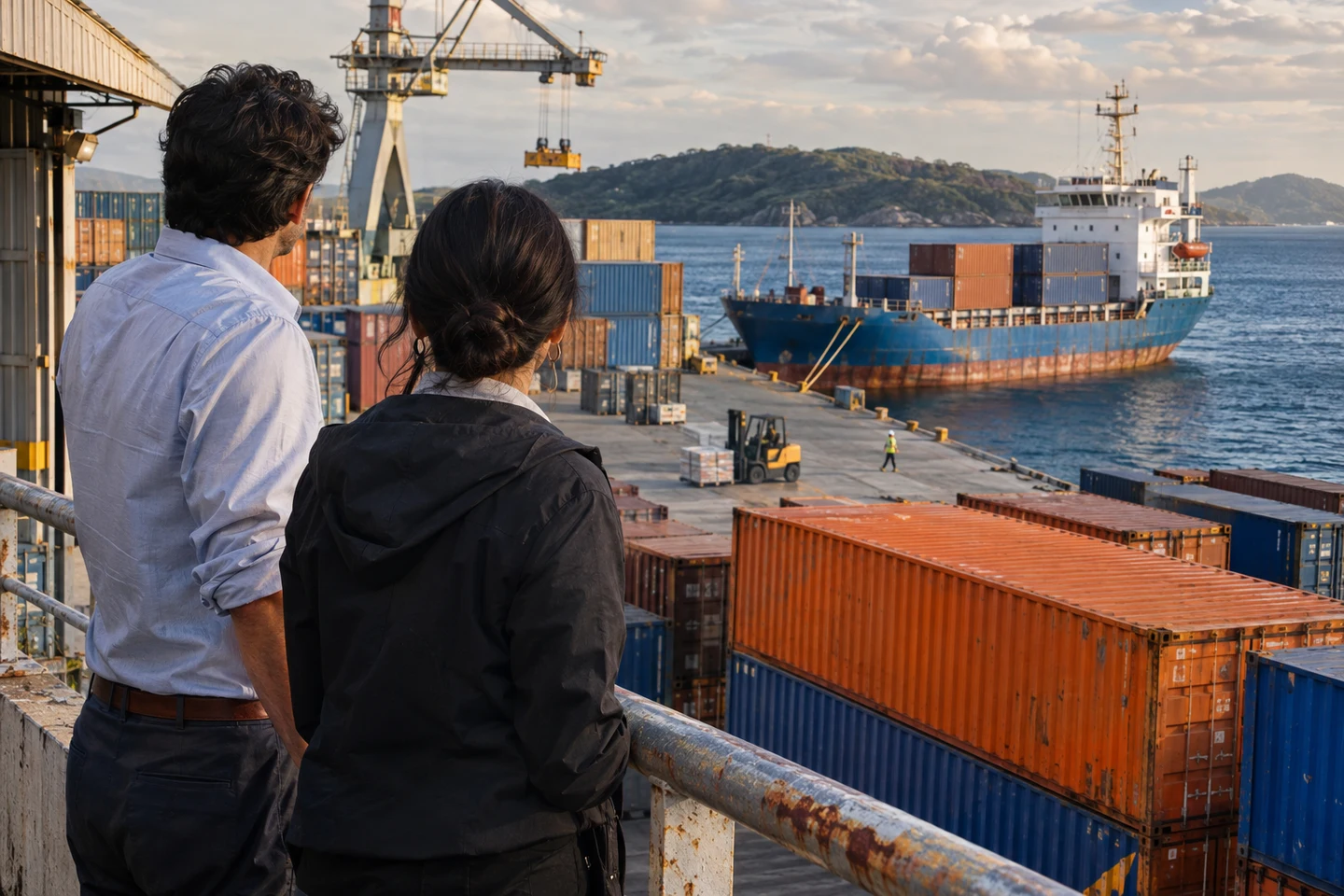
Japan–Türkiye business cooperation is looking beyond the two countries themselves. An investment forum in Tokyo on 6 November 2026 brought Japanese technology and Turkish regional networks into the same discussion about third-country markets. For companies considering the Middle East or Central Asia, a partner familiar with local customers and delivery can provide a practical place to start building relationships.
Turkish officials presented connections to Europe, the Middle East, Central Asia and North Africa, supported by logistics, aviation links and industrial clusters. The commercial value of those connections depends on specific work: how products arrive, who installs them and who responds when a customer needs service. A regional partnership becomes more concrete when the discussion covers the markets, customers and tasks each side already understands.
An early conclusion of the Japan–Türkiye economic partnership agreement was also among participants’ hopes. Tariffs, investment conditions, supply chains and third-country exports formed part of that future agenda. Businesses can meanwhile work with current arrangements: choose a destination, confirm product classification and applicable conditions, and define responsibilities. A well-defined first project gives a longer-term relationship something to build on.
Seismic-equipment company Kawakin Core-Tech plans to expand toward the United Arab Emirates, Lebanon and Central Asia through Turkish partners. Its product technology would be combined with regional market knowledge. Clarifying intended use, division of work and service coverage can help both sides decide where to begin and which market offers a manageable first step.
Education company Gakken already has business in countries including Iraq and Azerbaijan. Its experience widens the field from industrial goods to services, where local learning settings and communication matter. Different offerings call for different partners. Starting with a specific customer situation, then identifying the work we can perform and the capabilities a partner would add, gives overseas development a clearer point of departure.

Sources
Some images in this article are generated illustrations.