What comes next for a Canadian car plant? Following the Brampton sale and assembly proposals
Global developments | A proposed sale of Brampton and Roshel’s local EV assembly idea connect premises, components, production work and services.
Editorial desk Noah
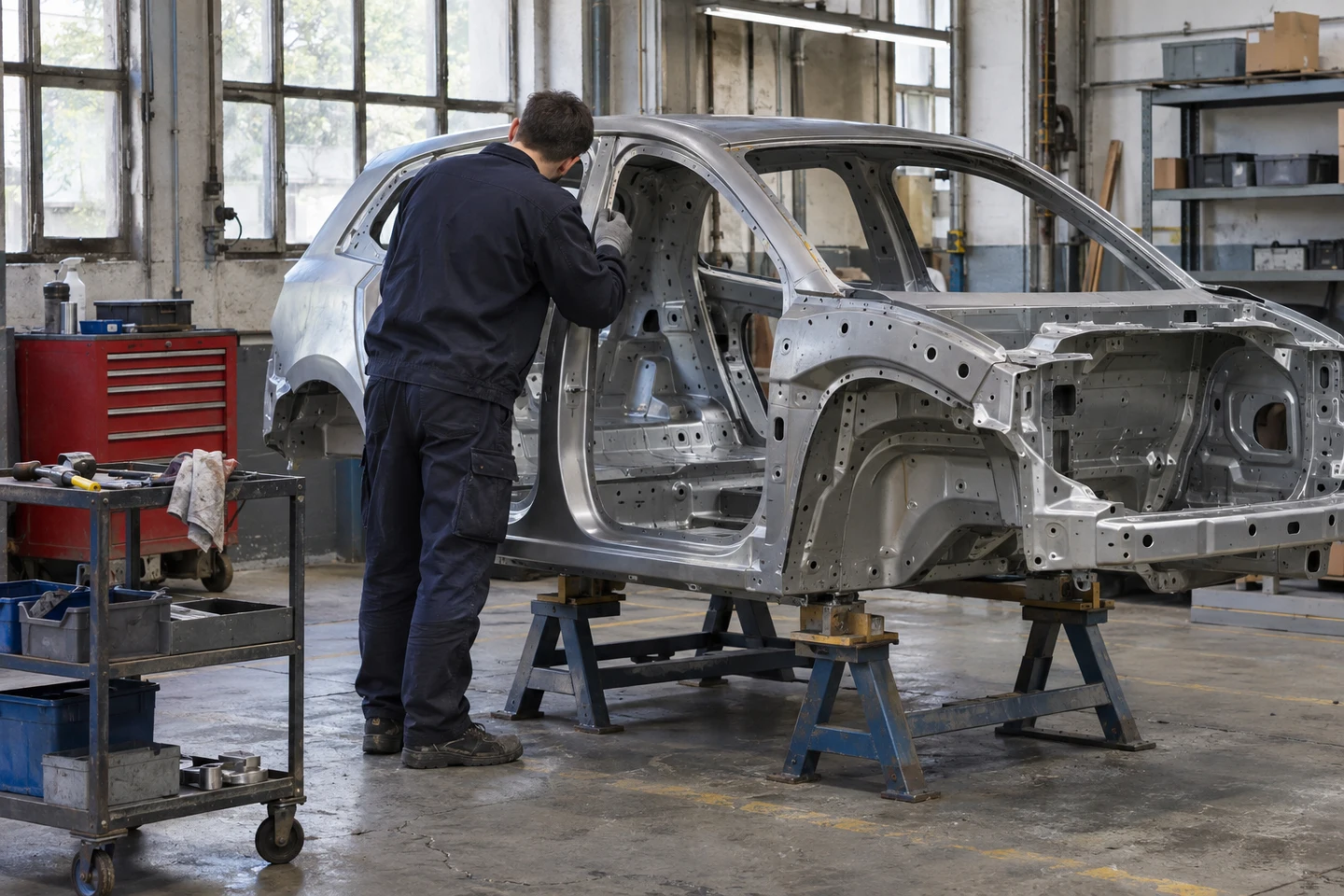
Stellantis announced a plan on 9 November 2026 to sell its Brampton facility in Canada to Roshel. Alongside the proposed sale, Roshel outlined an idea for assembling Chinese electric vehicles locally. The future of an existing car plant now connects premises, production methods, components and services. The transaction and new production proposals have further steps ahead as companies and government work through the arrangements.
The facility’s future also involves production commitments Stellantis previously made to government. Canadian authorities are concerned with how new arrangements meet relevant conditions. Intended use, existing responsibilities and formal terms therefore need to be coordinated. For supply-chain businesses, those developments will help clarify who the prospective counterparties are and which work may actually be required.
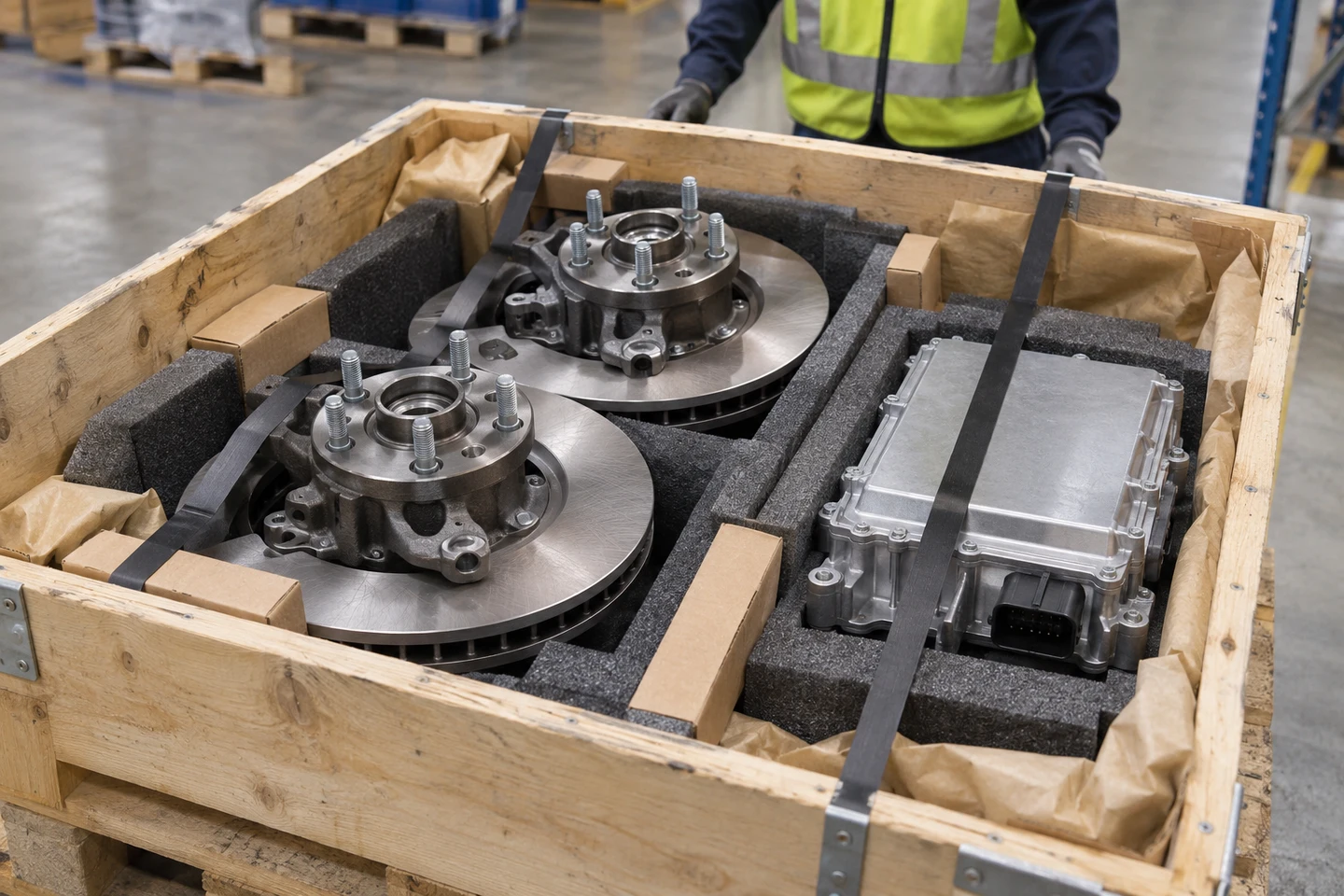
Roshel’s proposed approach includes transporting vehicle components to Canada for assembly from kits. That would connect parts supply, transport, local operations and delivery. Origin remains a related issue: Canadian assembly would not automatically change the Chinese origin of the products concerned. The division of production work needs to be planned alongside customs conditions, including how a product is broken into components and where each operation takes place.
A possible leaseback arrangement provides another option for using existing premises after a sale. Changing ownership also means coordinating how space and equipment support different activities. Potential new uses, parts movement and service requirements will become more specific as the plan progresses. For an industrial supplier, those individual tasks can be a closer match to its capabilities than an industry label alone.
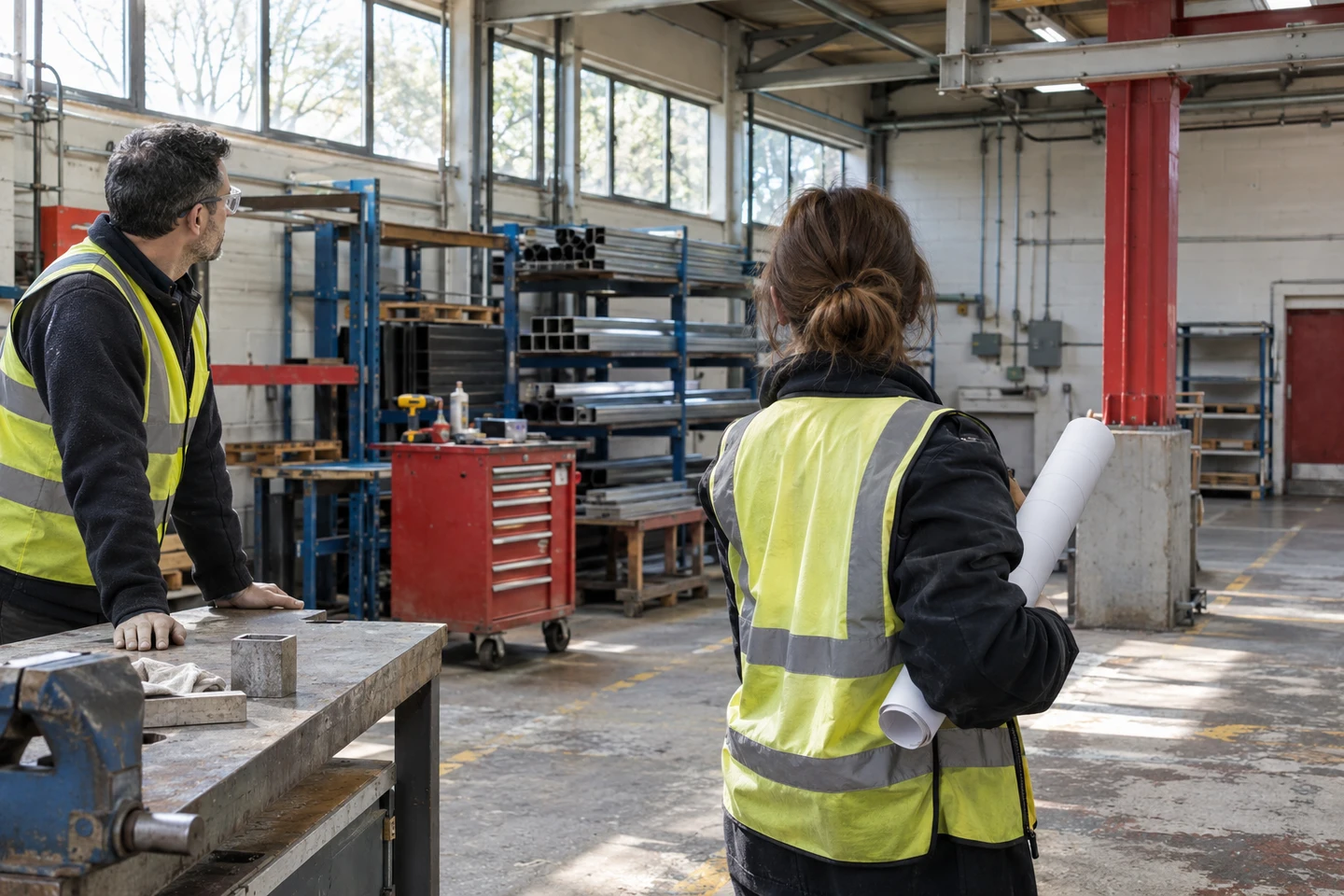
Parts, equipment and service businesses can prepare around those tasks. Clear product information, technical material and delivery capability provide a useful foundation; formal updates can then guide which party to approach and which stage to discuss. Each step in a factory transition can change the division of work. A capability statement aimed at a particular task makes a commercial conversation easier to start when the requirements become clearer.
Sources
Some images in this article are generated illustrations.